Ruby Spice Summersweet: The
Title: Ruby Spice Summersweet: The Sweet-Scented Shrub That Will Add Color and Fragrance to Your Garden
Introduction:
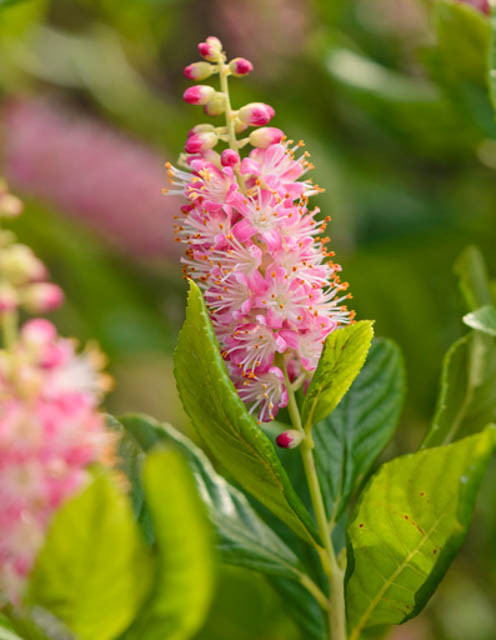
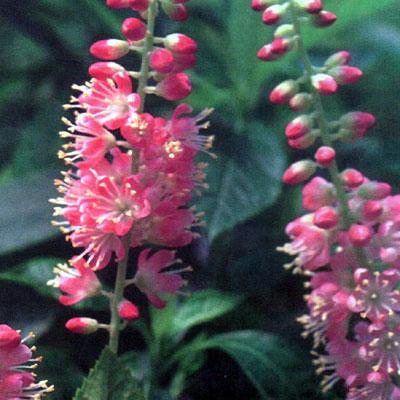
Ruby Spice Summersweet is a deciduous shrub that is native to North America. It is known for its sweetly fragrant pink flowers that bloom in late summer. The flowers are arranged in upright spikes that can reach up to 12 inches long. Ruby Spice Summersweet is a relatively low-maintenance shrub that is easy to grow in a variety of conditions. It is a good choice for gardens in USDA hardiness zones 3 to 9.
Main Content:
Plant Description
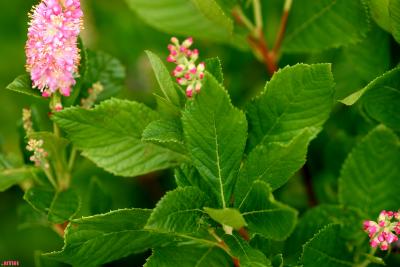
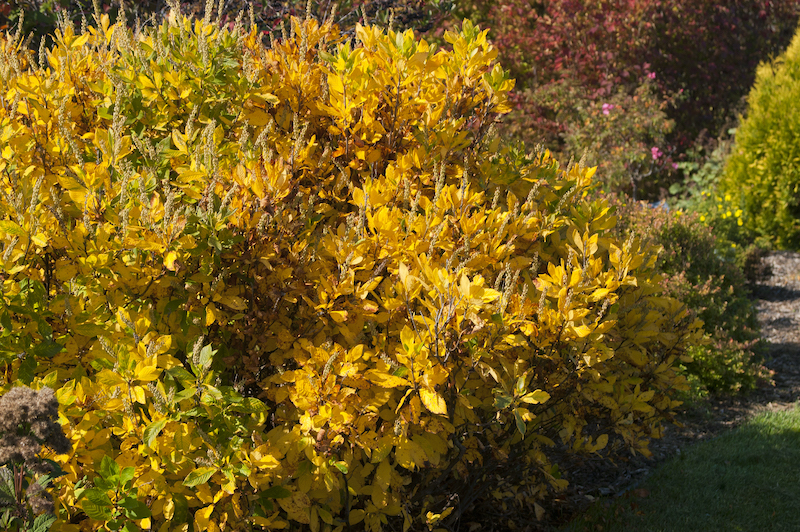
Ruby Spice Summersweet is a densely-branched shrub that typically grows 4 to 6 feet tall and 3 to 5 feet wide. It has glossy green leaves that turn yellow in the fall. The flowers are a deep pink color and have a sweet, honey-like fragrance. They bloom in late summer and can last for up to six weeks.
Growing Conditions
Ruby Spice Summersweet is a relatively easy plant to grow. It prefers part shade to full shade, but can tolerate full sun in cooler climates. It prefers moist, well-drained soil that is slightly acidic. Ruby Spice Summersweet is drought-tolerant once it is established, but it is important to water it regularly during the first year after planting.
Pests and Diseases
Ruby Spice Summersweet is a relatively pest- and disease-resistant plant. However, it can be susceptible to spider mites in hot, dry conditions. If you notice spider mites on your plant, you can treat them with a miticide.
Propagation
Ruby Spice Summersweet can be propagated by seed, but it is more easily propagated by cuttings. To take cuttings, cut a 4- to 6-inch piece of stem from the plant in the spring or summer. Remove the lower leaves from the cutting and dip the end in rooting hormone. Plant the cutting in a pot of moist potting mix and place it in a shady spot. The cutting should root in about four weeks.
Uses
Ruby Spice Summersweet is a versatile plant that can be used in a variety of ways in the garden. It can be used as a specimen plant, in shrub borders, or in mixed perennial borders. It is also a good choice for attracting butterflies and hummingbirds to the garden.
Conclusion
Ruby Spice Summersweet is a beautiful and fragrant shrub that is easy to grow in a variety of conditions. It is a good choice for gardens in USDA hardiness zones 3 to 9. If you are looking for a plant that will add color and fragrance to your garden, Ruby Spice Summersweet is a great option.
If you are interested in learning more about "ruby spice summersweet," please visit Home Gardening. This website provides detailed information about the plant, including its care requirements, planting instructions, and pest and disease prevention tips. You can also find photos of the plant in bloom, as well as helpful articles about how to incorporate it into your landscape.
FAQ of ruby spice summersweet
- What are the light requirements for Ruby Spice Summersweet?
Ruby Spice Summersweet can grow in full sun or part shade, but it will flower best in part shade. If you live in a hot climate, you may want to plant it in full shade.
- What are the soil requirements for Ruby Spice Summersweet?
Ruby Spice Summersweet prefers moist, acidic soil. The soil should also be well-drained. If your soil is alkaline, you can add some peat moss or pine bark to make it more acidic.
- How much water does Ruby Spice Summersweet need?
Ruby Spice Summersweet needs regular watering, especially during the first year after planting. Once it is established, it can tolerate some drought. However, it is important to keep the soil consistently moist, not saturated.
- When should I fertilize Ruby Spice Summersweet?
You should fertilize Ruby Spice Summersweet in the early spring, using a slow-release fertilizer. You can also fertilize it lightly in the summer, if needed.
- How do I prune Ruby Spice Summersweet?
Ruby Spice Summersweet does not need to be pruned heavily. You can simply remove any dead, diseased, or damaged branches in the late winter or early spring. You can also lightly trim the shrub to maintain its shape.
- What are some pests and diseases that can affect Ruby Spice Summersweet?
Ruby Spice Summersweet is generally resistant to pests and diseases. However, it can be susceptible to aphids, scale insects, and powdery mildew. If you see any pests or diseases on your plant, you can treat them with insecticidal soap or neem oil.
- What are the benefits of planting Ruby Spice Summersweet?
Ruby Spice Summersweet is a beautiful and versatile shrub that can add color and interest to your garden. It is also a good choice for attracting pollinators, such as butterflies and hummingbirds. In addition, Ruby Spice Summersweet is relatively easy to care for and can tolerate a variety of conditions.
Image of ruby spice summersweet
10 different images of ruby spice summersweet that are free to use:






Post a Comment for "Ruby Spice Summersweet: The"